Somewhere on Polymarket, a contract will settle on the strength of a single one-minute candle. Not a daily close, not a weighted average across venues, not a Bloomberg composite. One candle, on one exchange, at one specific minute. That is the whole resolution mechanism for the XRP price on July 6 market on Polymarket, and it is worth pausing on before anything else.
Because the shape of that rule quietly determines how the whole market behaves as the deadline approaches. A ladder of price brackets, a fixed reference exchange, a fixed reference minute. Everything else is noise around those three constraints.
Deposit $20, get $50 to trade
Welcome bonus on the world's largest prediction market.
18+ · New users only · Availability and terms vary by region · Trading involves risk of loss · BeGambleAware.org
What the contract actually measures
The resolution language is unusually specific for a crypto price market. It resolves to the final "Close" price of the Binance one-minute candle for XRP/USDT at 12:00 ET on the date in the title, read straight off Binance's own charts with the one-minute candle view selected. If the print lands exactly on a bracket boundary, it rolls up to the higher bracket. Everything else resolves No.
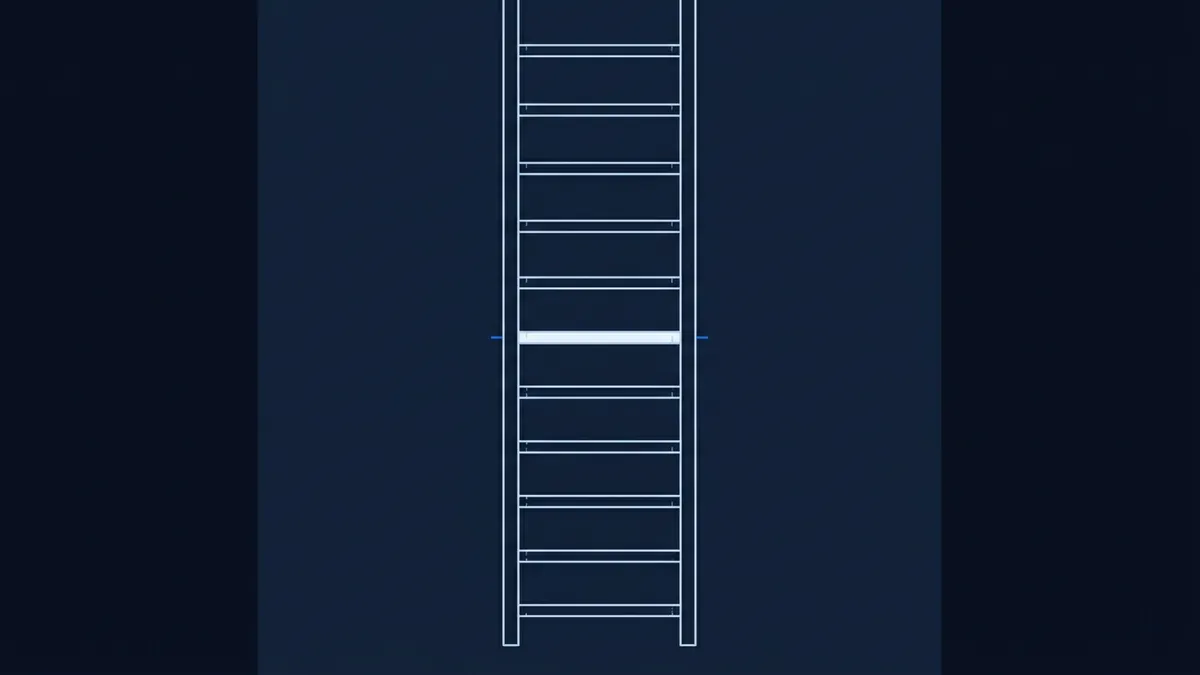
That matters for two reasons. First, the reference is a single venue, not a cross-exchange index, so any brief dislocation on Binance at that minute is the print, full stop. Second, the resolution window is sixty seconds wide. A market that spends the morning trading calmly inside one bracket can settle a rung above or below it because of what happens in one minute at lunchtime New York time.
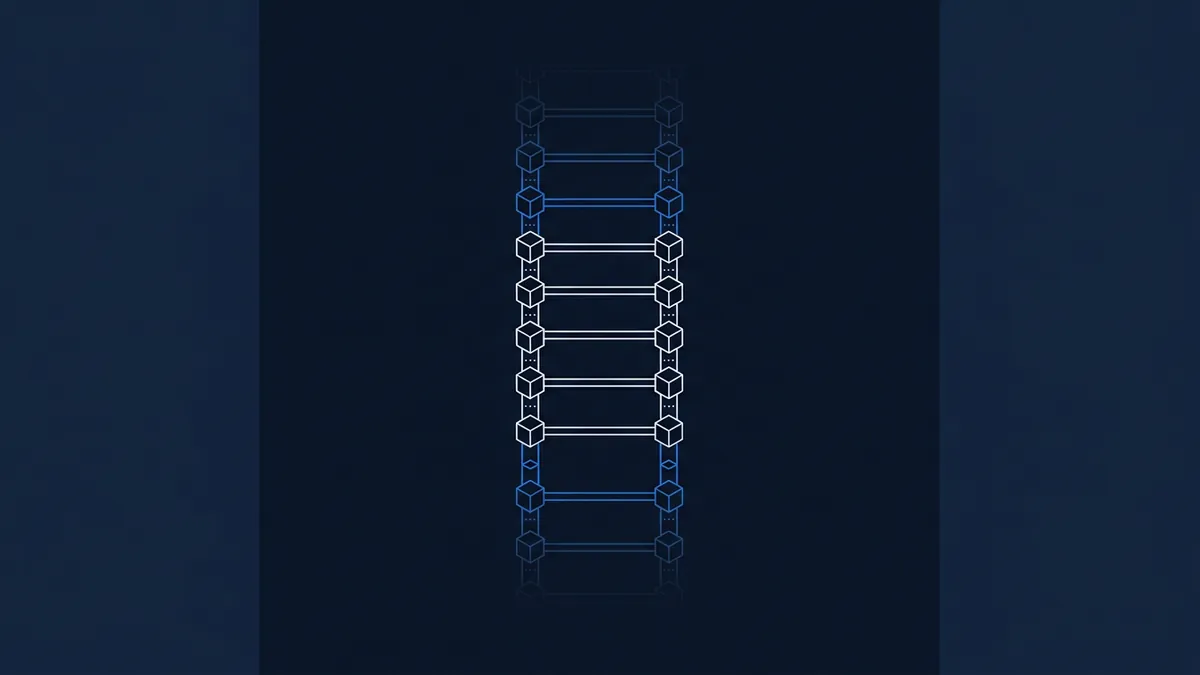
The ladder itself is a set of ten-cent brackets stacked around the dollar mark, with open-ended tails at the top (above $1.50) and the bottom (below $0.60). Eleven possible outcomes in total, each mutually exclusive. Exactly one will resolve Yes. The rest go to zero. If you have never navigated a bracketed contract before, our explainer on how prediction market odds work is a useful primer for the mental model.
Where the lean sits, and what it does not tell you
As of 1 July, the market shows a clear favoured bracket. The $1.00 to $1.10 rung is priced around 55%, well ahead of anything else on the ladder. The $0.90 to $1.00 rung sits around 26%, and the $1.10 to $1.20 rung around 17%. Everything else, from the $1.20-plus rungs down through the sub-$0.80 tail, prices as low-probability tail risk in the low single digits.
A plain read: the market is priced around the dollar, with meaningful weight on the ten cents either side. That is a durable observation about structure, not a directional call. The rungs above $1.20 and below $0.80 are all trading as tail events, which is what you would expect on a five-day-out ladder for an asset that does not typically move violently on a Monday lunchtime without a catalyst.
But a bracketed ladder like this has a particular quirk worth flagging. The favoured rung's headline number is heavily sensitive to the width of the bracket, not just to where the price sits. A ten-cent-wide bucket around a spot price that has been oscillating inside that bucket for days will price high almost mechanically. That is not a strong conviction call; it is a reflection of how the ladder is drawn. The way to think about it is closer to "the market believes the price will still be inside this bracket at that minute" than "the market believes anything dramatic."
Why the resolution mechanic bites near the deadline
The rule that a boundary print rolls up to the higher bracket is the sort of clause that looks academic until it isn't. Consider the $1.00 to $1.10 rung versus the $0.90 to $1.00 rung. If the one-minute close prints exactly at $1.00, that resolves into the $1.00 to $1.10 bracket, not the one below. On a market with tight brackets and a spot price close to a boundary, that single-tick asymmetry is not a rounding footnote. It is the whole outcome.
The other thing to notice: the resolution source is one venue's one-minute candle. That is a much sharper cutoff than a time-weighted average would be, and it means the market is not really pricing what XRP will do all day. It is pricing what a specific print will show. Anyone approaching this contract without having read the resolution language carefully is trading a different market than the one that will actually settle. The same discipline applies across most price-ladder contracts; our guide to what market resolution actually decides walks through why the mechanics matter more than the narrative.
The editorial take
This contract is not a bet on XRP's trajectory in any meaningful sense. It is a bet on the width and location of a bracket versus a single minute's print, five days from now. The favoured rung being clearly ahead reflects where the price is sitting today more than any thesis about where it is going. That is a feature of the ladder, not a signal about sentiment.
Worth knowing this exists, worth understanding what it measures, worth not confusing it with a directional XRP call. iPredicta tracks crypto price-ladder contracts across Polymarket and Kalshi precisely because their resolution mechanics reward readers who look past the headline percentage and read the fine print underneath.

Frequently asked questions
Why does the resolution source matter so much on this contract?
Because the settlement print is a single one-minute candle on a single exchange (Binance XRP/USDT at 12:00 ET), not a cross-venue index or a daily average. Any brief dislocation in that minute on that venue is the outcome. That is a much sharper mechanic than most price markets, and it means the contract is genuinely a bet on one specific print, not on where XRP trades throughout the day.
What happens if the price lands exactly on a bracket boundary?
The resolution rule says a boundary print rolls up to the higher bracket. So a one-minute close of exactly $1.00 settles into the $1.00 to $1.10 rung, not the $0.90 to $1.00 one below it. On a ladder with ten-cent brackets, that single-tick asymmetry is not a rounding detail; it is the difference between a Yes and a No for the two rungs either side of the boundary.