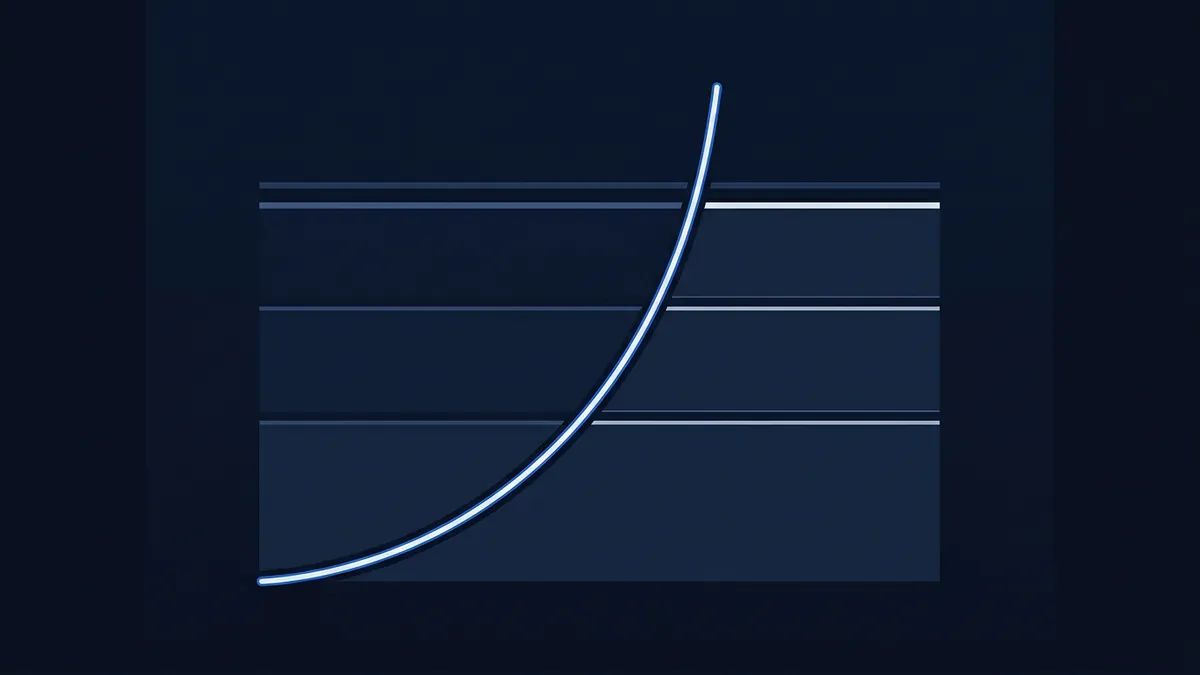
A Polymarket contract that spent most of its life pricing a particular Bitcoin outcome as a near-fantasy woke up this week and decided otherwise. On 6 June, the probability attached to one of the threshold legs in the "What price will Bitcoin hit in 2026?" market on Polymarket jumped from 10% to 81%. That is a 71-point swing. It happened on roughly half a million dollars of volume, which is small in absolute terms but enormous relative to where this leg had been trading.
The move is worth flagging not because the headline number is dramatic, though it is, but because of what the contract actually asks. This is not a single yes-or-no on whether Bitcoin closes 2026 above some level. It is a basket of laddered threshold outcomes, with legs at $90,000, $100,000, $110,000 and onward up to $1,000,000, plus a downside ladder running through $55,000 and below. Only one leg resolves. The 71-point repricing belongs to one specific rung, and which rung that is changes the story entirely.
Deposit $20, get $50 to trade
Welcome bonus on the world's largest prediction market.
18+ · New users only · Availability and terms vary by region · Trading involves risk of loss · BeGambleAware.org
What the contract is actually paying out on
The resolution mechanic here matters more than the move. The market asks what price Bitcoin will hit before 2027, which is a touch rather than a close. Any intraday wick through a threshold counts. That makes the lower upside legs structurally more likely than the higher ones, because Bitcoin only needs to print the level once across the entire year.
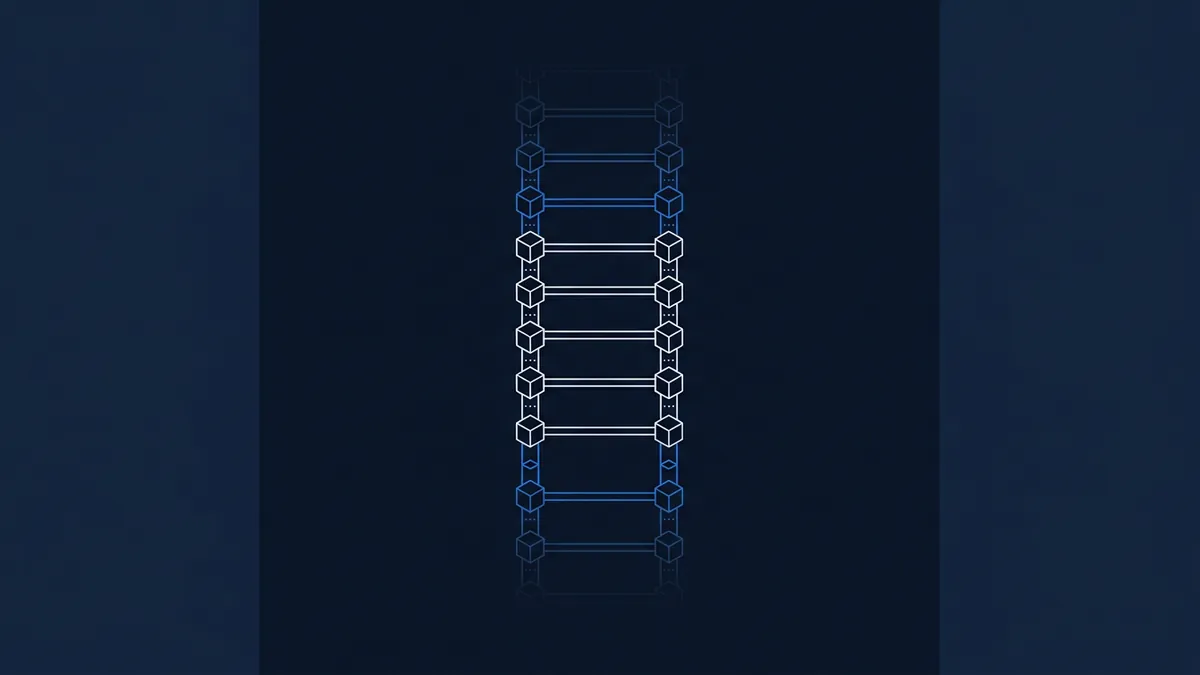
It also means the ladder is not independent. If Bitcoin touches $150,000, it has by definition already touched $140,000, $130,000, $120,000, $110,000, $100,000 and $90,000. The legs are nested. A trader reading the order book has to think about which is the marginal rung, the one that flips from "plausible" to "priced in," because that is where the action sits. Our explainer on how prediction market odds work walks through the implied-probability arithmetic if the mechanic is unfamiliar.
The trigger flagged a 10-to-81 jump on a single leg. Without the leg identifier in the trigger payload, the honest read is that one of the lower upside rungs has repriced from speculative to near-certain. That fits the structural logic. The $90,000 and $100,000 legs are the obvious candidates given where spot has been trading through 2026, and a touch through either becomes a near-formality if conviction shifts even modestly.
Why a $500,000 volume move can carry an 81% print
Half a million dollars sounds thin for a market this prominent, and it is. But thin volume in a laddered structure does not mean the price is meaningless; it means the price is sensitive. When a single threshold leg has been sitting at 10% for weeks, the order book on the yes side is sparse. A determined buyer clearing a few layers of resting offers can move the printed probability a long way without spending much.
That is the texture of this move. It is not the market collectively repricing Bitcoin's distribution. It is the market noticing that a particular rung had been mispriced relative to where spot actually sits, and a buyer arriving to take the free-looking inventory. The deeper question is whether the 81% level holds once the marginal trade is done, or whether market makers refill the offer side and drag it back toward something more defensible.
This is also where the gap between Polymarket and the regulated US venues gets interesting, and our piece on Polymarket versus Kalshi covers why the same underlying question can carry different prices on different rails.
What the move does and does not tell you
Worth being clear about what this signal is. A 71-point repricing on one laddered leg, on $500,000 of volume, is a single data point about how one corner of the order book values one specific touch threshold. It is not a forecast that Bitcoin ends 2026 at any particular number. It is not, on its own, evidence of a regime change in crypto sentiment. The legs further up the ladder, the $200,000 and $250,000 rungs, would need to move materially for that argument to hold.
What it does tell you is that traders willing to put real money on Polymarket now think the lower upside rungs are essentially settled questions for the year. That is a sentiment shift worth marking, particularly given where the same legs were priced even a quarter ago. Whether the higher rungs follow is the next thing to watch, and the spread between, say, the $120,000 and $150,000 legs is where the genuinely contested probability now lives.
iPredicta tracks contracts like this one across Polymarket and the regulated US venues, and laddered crypto threshold markets are exactly the kind of structure where single-leg moves can mislead unless you read the whole basket. The 81% print is real. The story it tells depends entirely on which rung it belongs to.

Frequently asked questions
Does an 81% probability mean Bitcoin will definitely hit that price?
No. An 81% implied probability means the market currently prices roughly a four-in-five chance of that specific touch occurring before the end of 2026. On a laddered market with thin volume on individual legs, that price can also move back if liquidity returns to the other side. Treat it as a sentiment reading, not a prophecy.
Why does this market resolve on a touch rather than a year-end close?
The contract asks what price Bitcoin will hit before 2027, which is touch resolution. Any intraday print through the threshold counts, which is why lower upside rungs carry structurally higher probabilities than they would on a close-based contract. It also means the legs are nested: a touch at $150,000 settles every lower upside rung simultaneously.