
Polymarket
Polymarket is the largest prediction market by volume, with an international venue settled in crypto and a separate US app. These guides explain how it works, how its markets resolve, how to fund an account, and where you can use it.

24 guides
How Bitcoin Price Prediction Markets Work: Strikes, Brackets and Settlement Prices
Bitcoin prediction markets settle on a specific price feed at a specific time. Here is how strikes, brackets, close prices and touch windows actually resolve.
Read the guide →
What Is Open Interest in Prediction Markets, and How Is It Different From Volume?
Open interest counts contracts still outstanding; volume counts contracts traded. Here is what each reveals about a prediction market, and why mixing them misreads it.
Read the guide →
What Is a Designated Contract Market? The CFTC Licence Behind Kalshi and Polymarket US
A designated contract market is a CFTC-licensed exchange under 7 U.S.C. 7. Here is how that licence shapes Kalshi, Polymarket US and the state fights around them.
Read the guide →
Why Kalshi and Polymarket Prices Differ on the Same Question
Kalshi and polymarket.com can show different prices for the same event. The contract wording, the fees, the spread and who can trade all help explain the gap.
Read the guide →
Overtime, Postponements and Voids: How Sports Prediction Markets Settle
How NFL game markets on Kalshi, polymarket.com and Polymarket US settle overtime, ties, postponements and cancelled games, with each venue's rules quoted as written.
Read the guide →
How Fed Rate Prediction Markets Work, and How They Compare With CME FedWatch
How Fed rate prediction markets settle on Kalshi and Polymarket, and how their implied probabilities differ from CME FedWatch's futures-derived numbers.
Read the guide →
What 'Volume' Actually Means on a Prediction Market
On Polymarket, the dollar-sign volume figure is a share count, not cash. Here's what it really measures, and why the cash was smaller on every market we checked.
Read the guide →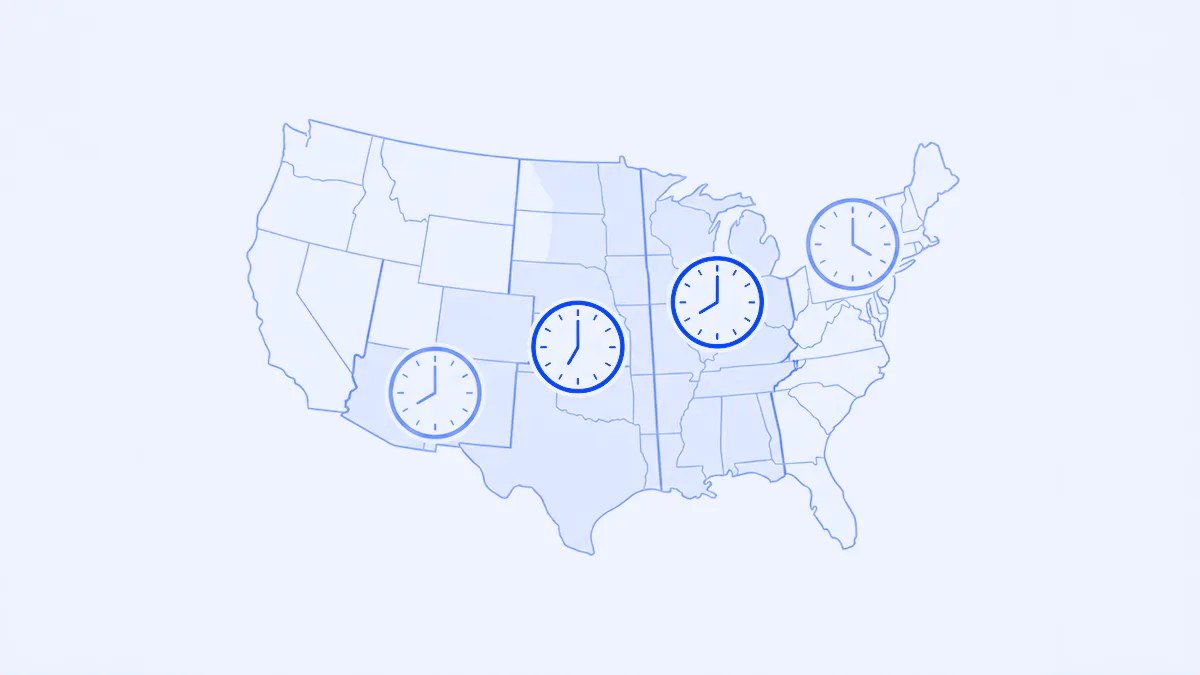
Election Night 2026: When Polls Close, and What Prediction Markets Do With the Results
Poll closing times for the 3 November 2026 US midterms in ET, UK and Spain time, plus how Kalshi and Polymarket actually settle their control markets.
Read the guide →
Is Polymarket Legal in the US?
Is Polymarket legal in the US? Polymarket US is a CFTC-regulated exchange; polymarket.com does not accept US traders. A Nevada court has enjoined Polymarket US.
Read the guide →
When Do Election Prediction Markets Pay Out? Calls, Recounts and Certification
When do election prediction markets actually pay out? A plain-English guide to how Polymarket and Kalshi resolve US election contracts, and why dates differ.
Read the guide →
How Does Polymarket Make Money?
How does Polymarket make money? Taker fees on most polymarket.com markets, a fee schedule on Polymarket US, and what ICE's investment and data deal say. Checked against Polymarket's own documentation.
Read the guide →
Polymarket vs PredictIt: The Crypto-Native Platform Versus the Academic Original
Polymarket vs PredictIt compared: fees, liquidity, market depth, US access, and which platform actually suits which kind of trader.
Read the guide →
What Are Polymarket Combos? How They Differ From a Sportsbook Parlay
What Polymarket Combos are, and the two structural things that make a Combo different from a sportsbook parlay: it can be sold before resolution when someone will buy it, and its price is set by competing market makers through an RFQ auction. Checked against Polymarket's own documentation.
Read the guide →
What Are Oracles in Prediction Markets? Inside Polymarket's UMA Resolution System
How oracles decide who wins on Polymarket, Kalshi and other prediction markets. UMA, dispute windows, and why resolution is the riskiest part of every trade.
Read the guide →
What Are Conditional Markets? Polymarket's If-Then Contracts Explained
Conditional markets let traders price 'if X, then Y' scenarios. Here's how they work on Polymarket, why they matter, and where they break.
Read the guide →
How Polymarket's Political Markets Work, Read Through the 2026 US Midterms
How Polymarket's political markets work, explained through the live 2026 US midterm contracts: market structures, resolution, fees, and how to read the prices.
Read the guide →
How Polymarket Works: The Crypto-Native Prediction Market Explained
How Polymarket works: the crypto-native prediction market where traders buy YES and NO shares in real-world events, priced between 0 and 1 dollar.
Read the guide →
How to fund a Polymarket account with USDC: the practical guide for new prediction market traders
A step-by-step walkthrough on how to fund a Polymarket account with USDC from a UK or US start: wallet setup, the Polygon network, exchanges, and fees.
Read the guide →
Is Polymarket Legal in New York? Why the State's Gambling Laws Matter More Than Most
Is Polymarket legal in New York? The state's gambling laws collide with federal event contract rules in ways that matter for any would-be trader.
Read the guide →
Is Polymarket Legal in Texas? Conservative Gambling Laws Meet Federal Event Contracts
Is Polymarket legal in Texas? A clear-eyed guide to how the state's strict gambling laws collide with federally regulated event contracts, and what Texans can actually trade.
Read the guide →
Is Polymarket Legal in California? The State-by-State Access Question
Can Californians use Polymarket? The honest answer on state-level access, what changed after the QCEX acquisition, and what residents can legally trade today.
Read the guide →
Who Wins on Prediction Markets? 1% Take 76.5% of Gains
A 2026 study of $67bn in Polymarket trades finds 1% of users capture 76.5% of gains. Here is what separates the winners from the losing majority.
Read the guide →
What the Prediction Markets Expect From the 2026 World Cup
Pre-registered prediction market baseline for the 2026 World Cup: outright winner, finalists, all 12 group winners and golden boot. As of 11 June 2026.
Read the guide →
Smarkets vs Polymarket: How a UK Exchange Compares to a Global Prediction Platform
Smarkets vs Polymarket compared for UK users: fees, liquidity, market range, legality, and which one actually makes sense depending on what you want to trade.
Read the guide →Guides
Longer reads on how to think about a price. All guides
- A poll is a sample. A price is a stake
- Why the same question has two different prices
- Why a contract at 95 cents is not a safe position
- Being right more often is a measurable skill
Questions about your account or the app: Support